
Commercial Roofing Specialists
What type of roof do you have?

Metal Roofing
 Composite panel systems
Overcladding over asbestos cement or existing metal
Single skin roofing

Flat Roofing
Single ply membranes (TPO, PVC, EPDM)
Bitumen hot melt systems
Liquid applied systems

Roof Surveys
Drone inspection with photographic evidence
Written condition report with prioritised recommendations
Surveys are quoted as a fixed fee before we attend. If you appoint us to carry out the work the survey recommends, the fee is credited against the contract.
Nova surveys before it specifies. We assess the condition of what is there, identify where it is failing and why, and produce a written recommendation with costs and options. No assumptions, no upselling systems that are not warranted.
Our experience spans metal and flat roofing across industrial, commercial and multi-site estates. From 500 square metres to the largest roof on your portfolio, we work directly with clients, estates teams, project managers and architects. Every project is managed from initial survey through to completion and aftercare.
Metal roofing systems
Three options on the metal side. Here is when each one fits and the honest trade-off you take on by choosing it.
Composite sheeting
Pre-fabricated insulated metal panels with a steel outer skin and internal liner, factory-built and craned into position.
New builds, larger warehouses and distribution centres, projects where speed of weatherproof cover is the priority, and buildings that need thermal performance from day one.
A full replacement, not a refurbishment. If your existing roof is asbestos cement, composite means strip and remove first, adding licensed removal cost and programme time. Highest capital outlay of the three metal options.
Overcladding
A new insulated metal envelope installed over the existing roof, with the original sheets left in place underneath.
Asbestos cement roofs in occupied buildings, sites where downtime costs more than capital, and roofs that are structurally sound but failing on weatherproofing or thermal performance.
The asbestos is still there. You inherit a future removal cost that gets more expensive over time as licensed disposal rates rise. Overcladding buys time; it does not solve the asbestos cement question.
Single skin roofing
A single layer of profiled metal sheet with no internal liner and no insulation between sheets.
Cold storage buildings, agricultural sheds, plant rooms, and any structure where the space below does not need heating, lighting control or condensation management.
Cold and prone to condensation in any building used by people or sensitive stored goods. Cheapest at install, but specified on the wrong building it creates problems you then pay to fix.
Flat roofing systems
Three options on the flat side. Here is when each one fits and the honest trade-off you take on by choosing it.
Single ply (TPO, PVC or EPDM)
Modern membrane sheets that are mechanically fixed, adhered or ballasted onto an insulated deck.
Low-pitch warehouse roofs, lightweight structures, projects where deck loading is constrained, and most new-build flat roof scenarios without heavy detailing or traffic.
Workmanship-sensitive at seams, upstands and rooflights. A correctly specified single-ply roof is a 25-year asset. A poorly detailed one can leak inside two. Only as good as the welding and the design of the details.
Bitumen hot melt
A continuous hot-poured bituminous waterproofing system, laid in layers with reinforcement and a wear surface above.
Podium decks, inverted roofs, plaza roofs, planted roofs, and any roof where foot or wheeled traffic, finishes or buildup will sit above the waterproofing.
Heavy, with hot works on site that bring programme and permit considerations on occupied buildings. Higher capital cost than single ply, only justified where the loading or traffic case demands it.
Liquid applied systems
Cold-applied liquid waterproofing that cures to form a continuous seamless membrane over the existing surface.
Complex roofs with upstands, rooflights, plant or pipework, occupied buildings where flame-free application is required, and refurbishments where stripping the existing system is not viable.
Surface preparation is everything. The system performs only if the substrate is properly prepared and the weather window is right during application. Short cuts on prep will fail, and they fail expensively.
Which system is right for your roof?
The right system depends on the existing roof, the building's use, budget and your tolerance for disruption.
| System | Best for | Relative cost | Site disruption | Typical lifespan |
|---|---|---|---|---|
| Composite sheeting | New build, large warehouses | High | High (full strip required) | 40+ years |
| Overcladding | Occupied buildings, asbestos cement roofs | Medium | Low (installed over existing structure) | 25 to 30 years |
| Single skin | Cold storage, agricultural, plant rooms | Low | Low | 25+ years |
| Single ply | Low-pitch warehouses, lightweight structures | Medium | Low to medium | 25+ years |
| Bitumen hot melt | Podium decks, trafficked and planted roofs | High | Medium (hot works required) | 30+ years |
| Liquid applied | Complex roofs, occupied buildings, refurbishments | Medium | Low (cold applied, no stripping) | 15 to 20 years |
Not sure which applies? A Nova survey establishes the condition of what is there, sets out the realistic options with costs, and lets you make the decision on evidence. Surveys are quoted as a fixed fee before we attend. If you appoint us to carry out the work the survey recommends, the fee is credited against the contract.
How we work
Survey before specify
We assess the roof before recommending anything. Condition, structure, drainage, existing system and any constraints, all established in writing before a scope of works is agreed.
Written recommendation with costs
You receive a written report setting out the realistic options, the cost of each, and the reasoning behind the recommendation. The assumptions are visible so the case stands up to scrutiny.
Project managed end to end
From survey through design, procurement, installation and handover. One point of accountability throughout. No handoffs between a sales team and a delivery team.
Directly contracted
Nova works directly with building owners, occupiers, estates teams and project managers. No portal procurement, no framework dilution, no margins stacked on margins.
Specialist treatments
In addition to re-roofing and refurbishment, Nova installs two proven specialist treatment systems for common commercial roof problems that do not require full replacement.
Cut edge corrosion treatment
Rust forming at the sheet laps on a profiled metal roof? The Seamsil 100 system arrests the corrosion and re-seals the laps without replacing the roof. HD Sharman 15-year guarantee.
Learn about cut edge corrosion treatment →Plygene Gutterline gutter lining
Leaking commercial gutters relined from the inside without removal. A new seamless liner installed over the existing gutter, bespoke components at every junction. HD Sharman 25-year guarantee.
Learn about Plygene Gutterline →Common questions about commercial roofing
Do you work on occupied buildings?
Yes. Most of our work is on buildings in active use. We sequence installations to minimise disruption and agree the programme with you before work starts. Where temporary weatherproofing or phased working is needed, we plan for it at the outset.
How do I know whether to repair, refurbish or replace?
The survey establishes that. We assess the existing roof, identify where it is failing and why, and set out the realistic options with costs and expected design life. The decision is yours. We give you the information to make it properly.
How long does a commercial roofing project take?
Depends on the system, the roof area and the access constraints. A liquid applied refurbishment on a 1,000m2 roof might run four to six weeks. A composite overcladding project on a large distribution centre will be longer. We agree a programme at the outset and manage to it.
Can you work across multiple sites?
Yes. We carry out estate and portfolio surveys and can programme works across multiple sites. One point of contact, one contract, consolidated reporting.
What is the lead time from survey to start on site?
For most projects, survey to start on site is four to eight weeks. Larger projects requiring design coordination, structural checks or planning take longer. We set out the expected timeline from the outset.
Do you use subcontractors?
Nova operates a trade-partner delivery model using specialist installers. All trade partners are vetted, directly managed and work under Nova's programme and quality standards. There is no handoff in responsibility.
What guarantees are provided on completed work?
System-level guarantees come from the manufacturer, typically 15 to 25 years depending on the system specified. Installation guarantees are provided by Nova directly. We set out the guarantee structure before the contract is signed.
Do you handle asbestos?
We do not carry out licensed asbestos removal; that is specialist licensed contractor work. Where removal is required, we coordinate the licensed contractor as part of the programme and survey the asbestos cement roof as a starting point for any specification. Nova's principal holds post-RM asbestos surveying qualifications and has delivered asbestos awareness training across multi-site commercial premises.
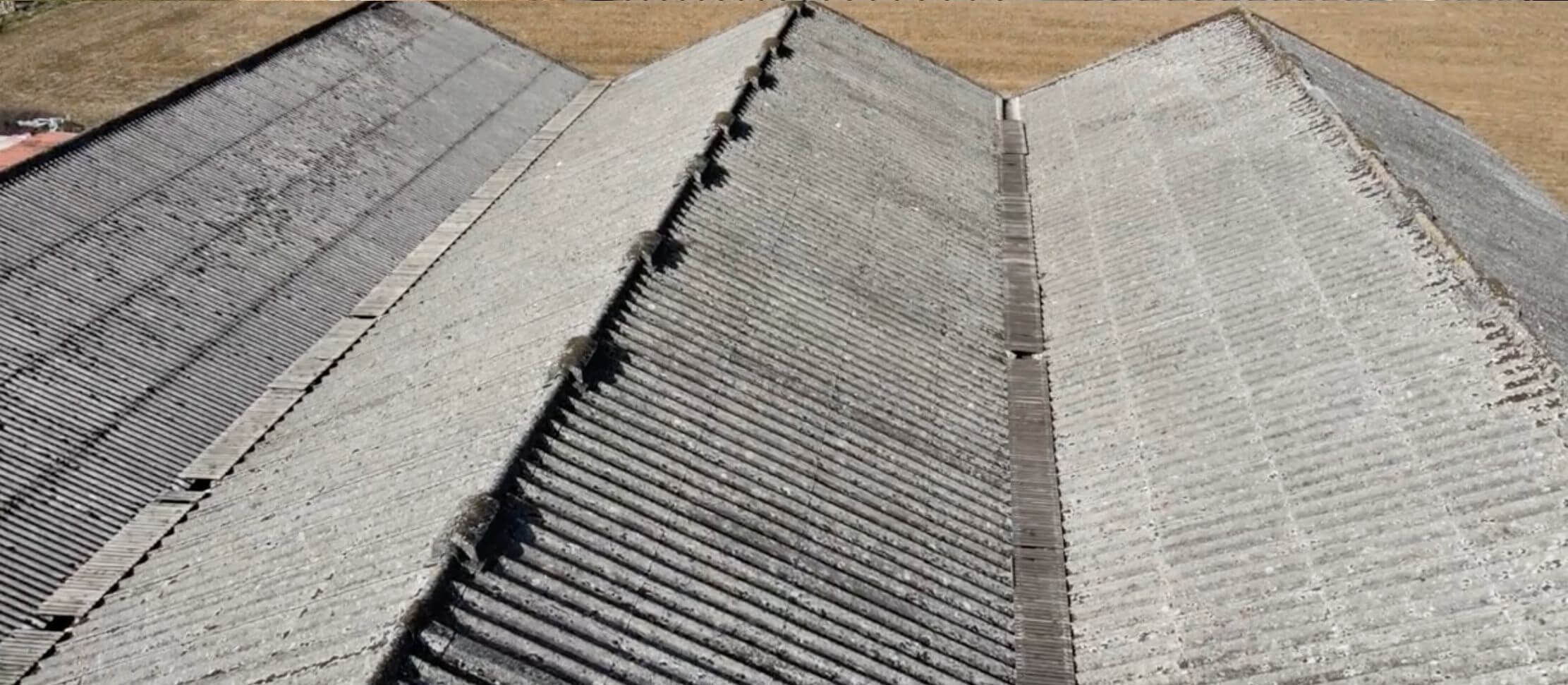
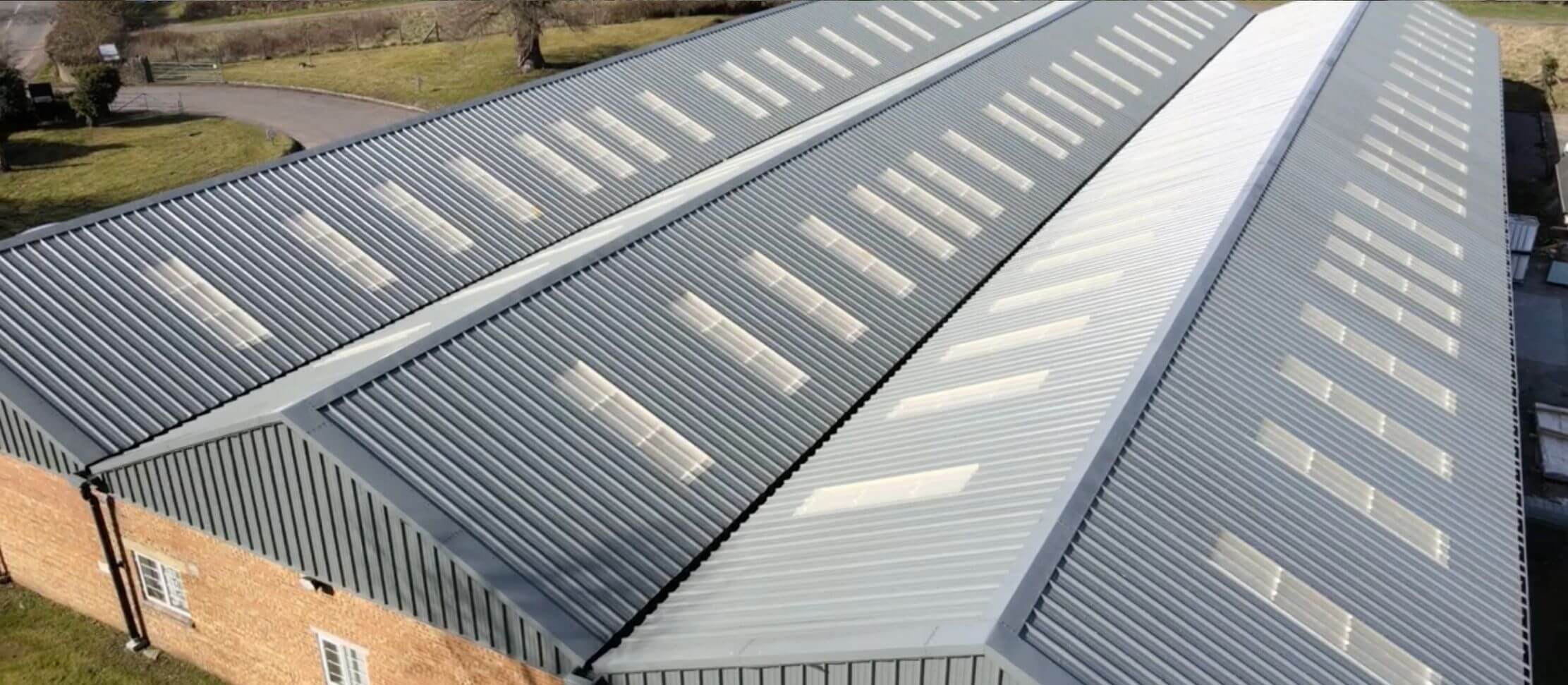
Before and After
Use the slider to see the transformation from tired to weatherproof


Arrange a survey
Tell us the building and what prompted the call. We will confirm the survey fee and a date in writing.